How to Make Green Tea: The Complete Step-by-Step Guide (Recipe, Mask, Health & Weight Loss)
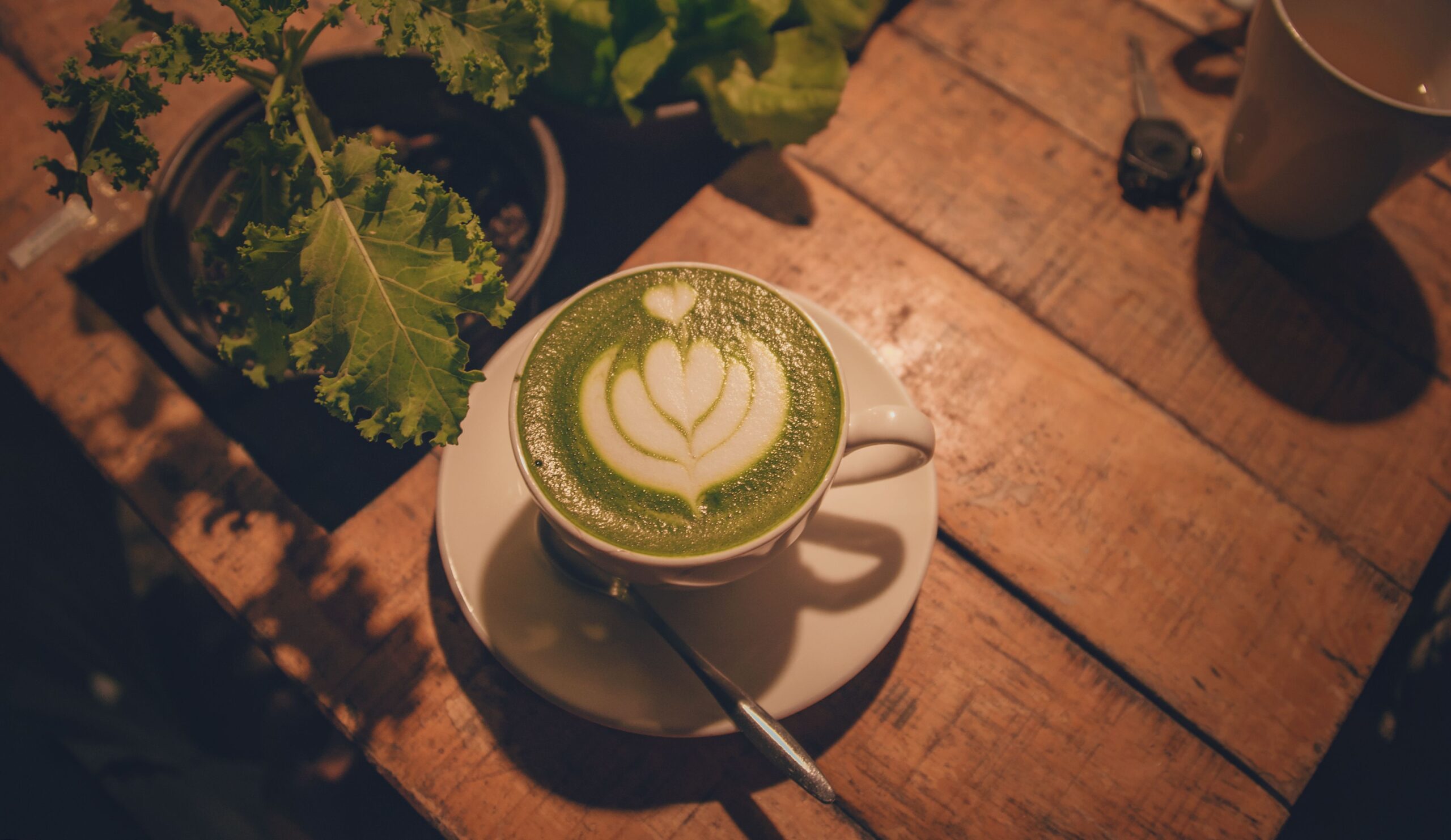
Green tea is tea made from the leaves of the Camellia sinensis plant that are heated soon after harvest to stop oxidation, which keeps the leaves green and preserves their natural antioxidants. Black tea comes from the same plant, but its leaves are allowed to oxidize fully, which turns them dark and gives a stronger flavor.
Green Tea vs. Other Teas
Because green tea is barely oxidized, it is delicate. Water that is too hot scorches the leaves and pulls out tannins, the compounds that taste bitter and astringent. That is why boiling water, the default for black tea, ruins green tea.
Common Types of Green Tea
You will see these on US store shelves:
- Sencha: the most popular Japanese green tea. Grassy, fresh, slightly sweet.
- Matcha: stone-ground whole leaf powder. Rich, creamy, and higher in caffeine.
- Gunpowder: rolled Chinese pellets. Bold, smoky, great for iced tea.
- Jasmine green tea: green tea scented with jasmine blossoms. Floral and beginner-friendly.
- Genmaicha: green tea blended with roasted brown rice. Nutty and mellow.
How to Make Green Tea at Home: The Perfect

Making green tea at home means controlling four variables: tea quantity, water temperature, steeping time, and water quality. Nail these and you will beat most café cups.
What You Need
- 1 teaspoon (about 2 grams) loose-leaf green tea, or 1 tea bag, per 8 oz cup
- 8 ounces of fresh, filtered water
- A kettle (a thermometer or variable-temperature kettle is ideal)
- A mug, teapot, or infuser basket
- A timer
Step-by-Step Instructions
- Heat the water. Fill your kettle with fresh filtered water. Bring it to a boil, then let it cool for 2 to 3 minutes. This lands you at roughly 175°F.
- Warm your cup. Swirl a little hot water in the mug and discard it. This keeps the temperature stable while steeping.
- Add the tea. Place 1 teaspoon of loose leaves in an infuser, or drop in 1 tea bag.
- Pour and steep. Pour 8 ounces of water over the leaves. Set a timer for 2 to 3 minutes.
- Remove the leaves. Do not leave them in the cup. Over-steeping is the main cause of bitterness.
- Taste and adjust. Add honey or a squeeze of lemon if you like.
Water Temperature and Steep Time by Tea Type
Use this table as your cheat sheet. Temperatures are in Fahrenheit with Celsius in parentheses.
| Green Tea Type | Water Temp | Steep Time | Tea Amount (per 8 oz) | Flavor |
|---|---|---|---|---|
| Sencha | 175°F (80°C) | 1–2 min | 1 tsp | Grassy, sweet |
| Gyokuro | 140°F (60°C) | 2–3 min | 1.5 tsp | Rich, savory |
| Matcha | 175°F (80°C) | Whisk, no steep | ½ tsp powder | Creamy, vegetal |
| Gunpowder | 180°F (82°C) | 2–3 min | 1 tsp | Bold, smoky |
| Jasmine green | 175°F (80°C) | 2–3 min | 1 tsp | Floral, light |
| Green tea bag | 175°F (80°C) | 2–3 min | 1 bag | Mild, balanced |
No Thermometer? Use the Visual Cues
When water starts releasing small bubbles from the bottom of the pot but is not yet rolling, it is near 160–180°F. Or boil and wait. A rolling boil is 212°F, and it drops about 10°F every minute in an open mug.
Common Mistakes to Avoid
- Boiling water: causes bitterness.
- Steeping for 5+ minutes: extracts too many tannins.
- Reusing the same leaves too many times: quality drops after 2 to 3 infusions.
- Old tea: green tea loses flavor within 6 to 12 months of opening. Store it airtight, away from light and heat.
Pro Tip: Resteep Quality Leaves
Good loose-leaf green tea can be steeped 2 to 3 times. Use slightly hotter water and a slightly longer steep each time. The second infusion is often the sweetest.
How to Make Green Tea Different Ways
Different green tea methods are variations on the basic recipe that change temperature, time, or format to suit your taste, schedule, or season.
Iced Green Tea
Brew a double-strength batch: use 2 teaspoons of tea per 8 ounces of hot water, steep 2 minutes, then pour over a glass full of ice. The ice dilutes it back to normal strength. Add mint and lemon for a refreshing summer drink.
Cold Brew Green Tea
Cold brewing is the easiest way to avoid bitterness. Combine 4 teaspoons of loose-leaf tea with 32 ounces (1 quart) of cold water in a jar. Refrigerate 6 to 8 hours, strain, and drink within 3 days. Cold brew extracts less caffeine and fewer tannins, so it tastes naturally sweet.
Matcha Green Tea
Sift ½ to 1 teaspoon of matcha into a bowl. Add 2 ounces of 175°F water. Whisk in a zigzag motion until frothy, then add more water or steamed milk. Matcha delivers the whole leaf, so it contains more caffeine and antioxidants per serving than steeped tea.
Green Tea in a Pot or Bulk Batch
For four cups, use 4 teaspoons of loose tea in a preheated teapot with 32 ounces of 175°F water. Steep 2 to 3 minutes and pour all of it out into a thermos or cups so it doesn’t keep brewing.
Adding Flavor Without Ruining It
- Honey: 1 teaspoon per cup
- Lemon: a small wedge (vitamin C may help your body absorb more catechins)
- Fresh ginger: 2 to 3 thin slices
- Mint: 5 to 6 leaves
[INTERNAL LINK: best loose-leaf green teas for beginners]
Is Green Tea Good for Health? What the Research Says
Green tea is considered a healthy beverage because it is rich in polyphenols, especially a catechin called EGCG, which acts as an antioxidant in the body. It is also almost calorie-free when unsweetened.
Key Nutrients in a Cup
An 8-ounce cup of brewed green tea contains roughly:
- Calories: 2
- Caffeine: 25–45 mg (coffee has about 95 mg)
- L-theanine: an amino acid linked to calm focus
- EGCG and other catechins: about 50–100 mg per cup, depending on the tea
Proven and Promising Benefits
- Heart health: Large observational studies link regular green tea drinking to lower LDL cholesterol and modestly lower blood pressure.
- Brain function: Caffeine plus L-theanine appears to improve alertness without the jitters many people get from coffee.
- Blood sugar: Some studies show small improvements in fasting glucose.
- Oral health: Catechins may reduce bacteria that cause bad breath and gum problems.
It’s worth being honest: many studies are observational or use concentrated extracts, so green tea is a helpful habit, not a cure. Drinking it won’t undo a poor diet.
Who Should Be Careful
- Pregnant women: keep total caffeine under 200 mg per day, per ACOG guidance.
- People with iron deficiency: tea can reduce iron absorption. Drink it between meals, not with them.
- Anyone sensitive to caffeine: choose decaf or cold brew.
- Supplement users: high-dose green tea extract pills have been linked to rare liver problems. Brewed tea is far safer.
How Much Is Enough?
Most research points to 2 to 4 cups per day as a reasonable range for healthy adults. That adds up to under 180 mg of caffeine, well within the FDA’s commonly cited 400 mg daily limit.
[INTERNAL LINK: green tea vs. coffee: which is healthier?]
How to Lose Weight After Drinking Green Tea (Realistic Plan)
Losing weight after drinking green tea means using the tea as a supportive habit, since it may slightly boost metabolism and fat oxidation, while calorie balance, protein, and movement do the heavy lifting. No tea melts fat on its own.
What Does the Evidence Say?
Meta-analyses suggest that green tea catechins plus caffeine may increase calorie burn by about 3–4% and help people lose roughly 1 to 2 pounds over 12 weeks. That is real but small. Think of green tea as a nudge, not a shortcut.
Step-by-Step: A Simple Green Tea Weight-Loss Routine
- Morning cup (before or with breakfast): 1 cup, unsweetened. It replaces a sugary drink and gives mild energy.
- Pre-workout cup (30 minutes before exercise): the caffeine and catechins may support fat use during activity.
- Mid-afternoon cup: swap it for soda, a latte, or a snack-time sugar craving. Skipping one 150-calorie drink daily adds up to roughly 1 pound of fat loss per 3,500 cycle of calories saved, about every 3 weeks.
- Stop caffeine by early afternoon: poor sleep raises hunger hormones and undermines weight loss. Switch to decaf after 2 p.m.
What to Do After Your Tea
- Take a 10-minute walk. Light movement after drinking tea helps digestion and blood sugar.
- Eat protein at your next meal. Aim for 25–30 grams to stay full.
- Drink water. Green tea has a mild diuretic effect, so keep hydrating.
Mistakes That Cancel the Benefits
- Adding more than 2 teaspoons of sugar or honey per cup
- Buying bottled “green tea” drinks that contain 30–40 grams of sugar per bottle
- Relying on “detox” or “slimming” tea blends that contain laxatives (senna). These cause water loss, not fat loss, and can be unsafe.
Sample Day
| Time | What to Do |
|---|---|
| 7:30 a.m. | 1 cup green tea with breakfast (eggs, oats, or yogurt) |
| 12:30 p.m. | Lunch, then a 10-minute walk |
| 3:00 p.m. | 1 cup iced green tea instead of soda |
| 6:00 p.m. | Balanced dinner with protein and vegetables |
| 8:00 p.m. | Caffeine-free herbal tea if desired |
How to Make a Green Tea Mask for Glowing Skin
A green tea mask is a DIY skin treatment that applies brewed green tea or matcha powder to the face, so its antioxidants and soothing compounds can calm and refresh the skin. It costs pennies and takes under 15 minutes.
Why Green Tea Works on Skin
Green tea contains polyphenols that have anti-inflammatory and antioxidant properties. Small studies on topical green tea suggest it may reduce redness and help oily skin. A mask will not erase wrinkles, but it can leave skin feeling calm and fresh.
Basic Green Tea Face Mask Recipe
Ingredients:
- 1 teaspoon matcha powder (or the contents of 2 green tea bags, finely crushed)
- 1 tablespoon raw honey
- 1 tablespoon plain yogurt or aloe vera gel
Instructions:
- Mix everything in a small bowl until you get a smooth paste. Add a few drops of cooled green tea if it is too thick.
- Wash your face and pat it dry.
- Apply a thin, even layer, avoiding the eye area.
- Leave it on for 10 to 15 minutes.
- Rinse with lukewarm water and follow with moisturizer.
Use it 1 to 2 times per week.
Mask Variations by Skin Type
- Oily or acne-prone skin: Use 1 teaspoon of green tea powder, 1 teaspoon of lemon-free clay (bentonite), and enough cooled tea to make a paste.
- Dry skin: Mix 1 teaspoon of matcha, 1 tablespoon of honey, and 1 teaspoon of olive oil.
- Sensitive skin: Skip the honey and use just cooled green tea mixed with aloe vera gel.
Green Tea Ice Cubes for Puffy Eyes
Brew a strong cup of green tea, let it cool, and freeze it in an ice tray. Wrap one cube in a clean cloth and gently press it under your eyes for 1 minute in the morning. The cold helps reduce puffiness.
Safety Tips
- Always patch test. Dab a small amount on your inner forearm and wait 24 hours.
- Use fresh batches. Homemade masks have no preservatives. Do not store them.
- Stop if you notice itching, burning, or a rash.
[INTERNAL LINK: DIY face masks for every skin type]
Frequently Asked Questions About Green Tea
1. How do you make green tea taste better?
Use water around 175°F, not boiling, and steep for only 2 to 3 minutes. Those two changes remove most bitterness. Then use fresh, quality leaves. If you still want more flavor, add a small amount of honey, a lemon wedge, fresh mint, or ginger slices without overwhelming the tea.
2. How long should you steep green tea?
Steep green tea for 2 to 3 minutes in 175°F water. Delicate teas like sencha may only need 1 to 2 minutes. Steeping longer than 3 minutes extracts bitter tannins and makes the tea astringent. Set a timer, and always remove the leaves or tea bag when time is up.
3. Can you boil green tea leaves?
No. Boiling green tea leaves, or pouring 212°F water over them, scorches the delicate leaves and releases excess tannins, which cause a harsh, bitter flavor. Let boiled water cool for 2 to 3 minutes first. The exception is a bold gunpowder or roasted green tea, which tolerates slightly hotter water.
4. Is it OK to drink green tea every day?
Yes, for most healthy adults, 2 to 4 cups of green tea daily is considered safe. That amounts to roughly 50–180 mg of caffeine. Avoid drinking it with meals if you have low iron, and stay under 200 mg total caffeine per day if you are pregnant. Check with your doctor if unsure.
5. Does green tea help you lose weight?
Green tea may help modestly. Studies show the catechins and caffeine can boost calorie burn by about 3–4% and support small weight losses of 1 to 2 pounds over several months. It works best combined with a calorie deficit, protein, daily walking, and good sleep. Alone, it will not produce significant results.
6. Can you put green tea on your face?
Yes. Cooled brewed green tea, matcha, or green tea bags can be applied topically as a mask, toner, or eye compress. Its antioxidants and anti-inflammatory compounds may calm redness and oily skin. Always patch test first, avoid the eye area with masks, and discontinue use if irritation occurs.
Conclusion: Your Green Tea Cheat Sheet
You now know how to make green tea the right way, along with how it fits into your health, weight, and skincare routines. Here are the three takeaways to remember:
- Temperature and time are everything. Use 175°F water, 1 teaspoon of tea per 8 ounces, and steep for 2 to 3 minutes for a smooth cup every time.
- Green tea is a helpful habit, not magic. It supports heart health, focus, and modest weight loss, but only alongside good food, movement, and sleep.
- It works beyond the mug. A simple matcha-and-honey mask or green tea ice cubes can bring the same antioxidants to your skin.
Ready to try it? Brew your first perfect cup today, and save this guide for the temperature chart. Subscribe to our newsletter for weekly tea recipes, and share your results in the comments below.



1 comment