How to Create a Pet Care Schedule: The Complete Guide (2026)
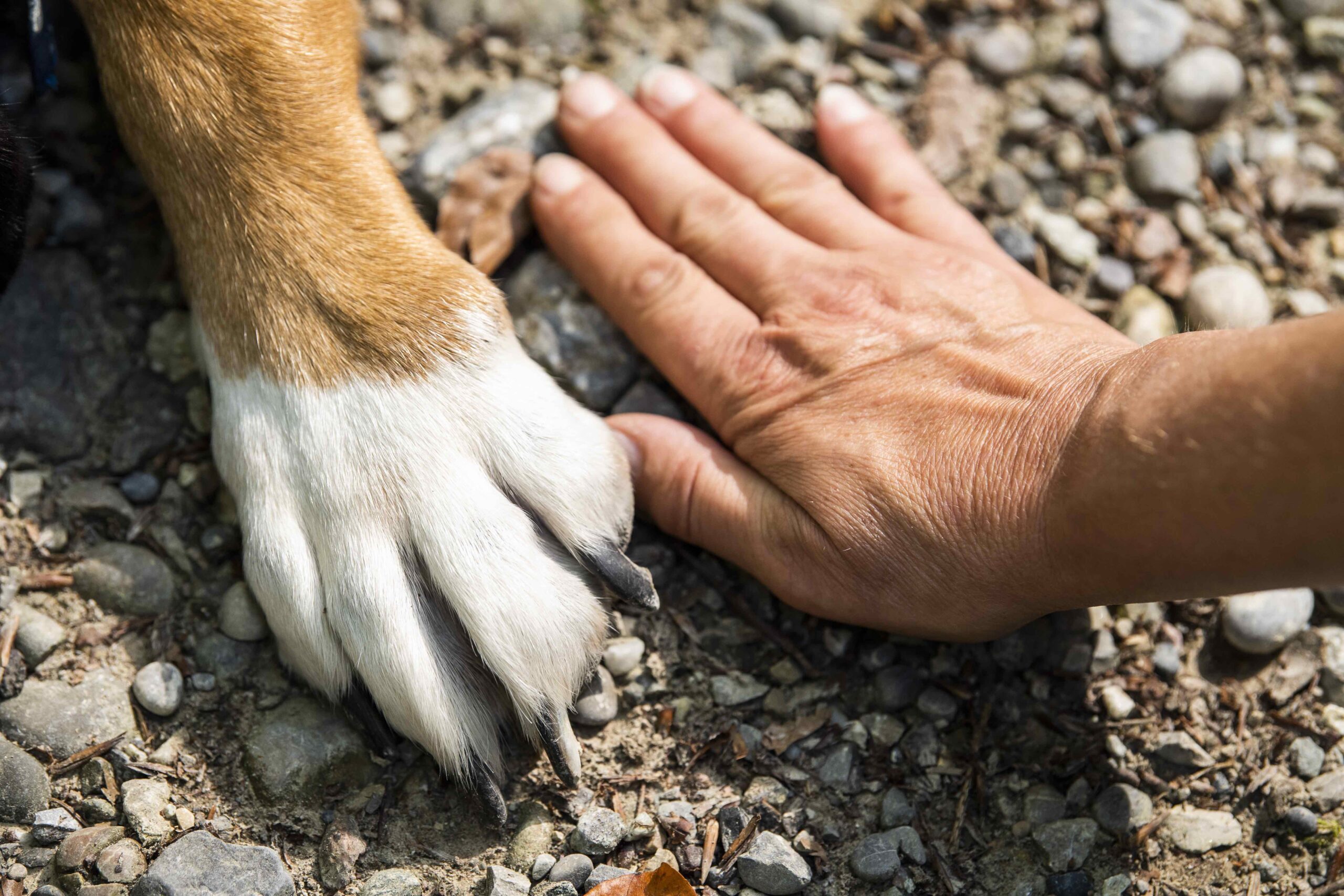
Missed meals, forgotten flea treatments, and overdue vaccines rarely happen because owners don’t care. They happen because life gets busy and nobody writes anything down. Knowing how to create a pet care schedule turns good intentions into a routine your pet can count on.
Pets thrive on predictability. A steady routine lowers stress, supports healthy digestion, and helps you notice health changes early. Without one, small gaps pile up: a skipped dental brushing here, a late booster shot there.
Quick answer: To create a pet care schedule, list every care task your pet needs, sort those tasks into daily, weekly, monthly, and yearly groups, assign a time and a person to each one, track them with a calendar or app, and review the whole plan every three months.
In this guide, you will learn:
- What a pet care schedule is and why it works
- How to build one in five simple steps
- The DWMY Framework for organizing every task
- How care needs differ for dogs, cats, and rabbits
- The most common scheduling mistakes and how to avoid them
- How to keep the routine going for years
What Is a Pet Care Schedule?
A pet care schedule is a written plan that lists every recurring task your pet needs, when each task happens, and who is responsible for it. It covers feeding, exercise, grooming, medication, training, and veterinary care.
Think of it as a shared map of your pet’s life. Anyone in your home can glance at it and know exactly what needs to happen next.
Daily, Weekly, and Long Term Needs
Pet needs fall into three broad time frames.
Daily needs include meals, fresh water, exercise, litter or waste cleanup, and playtime.
Weekly needs include brushing, bedding washes, and nail checks.
Long term needs include vaccines, parasite prevention, dental cleanings, and annual wellness exams.
Schedule vs. Routine
A routine is what you do out of habit. A schedule is what you have written down, assigned to someone, and made visible. That written version keeps care consistent when someone is sick, traveling, or simply distracted. Habits fade under pressure, but a posted schedule does not.
Why a Pet Care Schedule Matters
A clear schedule protects your pet’s health and your wallet. Preventive care, such as regular vet exams and parasite control, is generally far less expensive than treating an advanced illness. Veterinary organizations like the AVMA consistently stress this point.
Health and Behavior Benefits
Regular feeding times support healthy digestion and weight management. Predictable walks and play sessions reduce boredom related behaviors like chewing, barking, and scratching. Pets who know what to expect also tend to feel calmer, because their day has a reliable shape.
Shared Responsibility at Home
In a household with several people, a visible schedule prevents the classic mix up where one pet gets fed twice while another gets missed. Everyone knows who does what and when, which means fewer arguments and fewer gaps in care.
Easier Health Tracking
When you record meals, medications, and weigh ins, patterns become easy to spot. A change in appetite or energy stands out much faster when you have a clear baseline to compare against. That can make your vet visits more productive, too.
How to Create a Pet Care Schedule in 5 Steps
Follow this process to build a schedule that actually sticks.
Step 1: List every care task. Write down feeding, water, exercise, litter or potty breaks, grooming, medication, training, and vet visits for each pet. Do not worry about order yet. Just get everything onto the page.
Step 2: Sort tasks with the DWMY Framework. Place each task into one of four groups: Daily, Weekly, Monthly, or Yearly.
Step 3: Assign times and owners. Attach each daily task to a specific time and a specific person. “Someone will feed the dog” is a wish. “Sam feeds the dog at 7:00 a.m.” is a plan.
Step 4: Choose a tracking tool. Use a printed chart on the fridge, a shared calendar, or a pet care app with reminders. Pick whatever your household will realistically check.
Step 5: Review every three months. Adjust for your pet’s age, weight changes, the seasons, and your own work schedule. A schedule should grow and change along with your pet.
The DWMY Framework
The DWMY Framework is a simple way to organize pet tasks by how often they happen.
- Daily: meals, fresh water, exercise, medication, and play
- Weekly: brushing, bedding washes, nail and ear checks, and weigh ins
- Monthly: flea, tick, and heartworm prevention, plus a deep clean of crates and toys
- Yearly: wellness exams, vaccine boosters, dental reviews, and updates to license and microchip details
Sorting tasks this way keeps your schedule from feeling overwhelming. Instead of one giant list, you get four small ones that each have a clear rhythm.
The Anchor Habit Rule
The Anchor Habit Rule says to attach each pet task to something you already do every day. Feed the cat right after your morning coffee. Walk the dog as soon as you get home from work. Give medication when you brush your own teeth at night.
Anchoring removes the need to remember, because one habit automatically triggers the other.
Pro tip: Put monthly prevention on the same date every month, such as the 1st, and set a recurring phone reminder. Dates are much easier to remember than “every four weeks.”
A Real World Example
Consider a household with one dog and one cat.
Mornings include a 7:00 a.m. breakfast for both pets, a 20 minute walk, and medication tucked into food. Evenings include dinner, a short play session, and a litter scoop. Saturday is brush and bedding day, and the 1st of the month is prevention day.
After three months, the family reviews the plan. A recent vet visit showed slight weight gain in the dog, so they lengthen the evening walk by ten minutes. That small adjustment is exactly what a quarterly review is for.
Pet Care Schedule Comparison by Species
Care frequencies vary by species, breed, age, and health, so treat the details below as a starting point and confirm them with your veterinarian.
Dogs
- Feeding: Two meals daily for most adults
- Exercise: About 30 to 120 minutes daily, depending on breed and energy level
- Grooming: Weekly to daily, depending on coat type
- Waste cleanup: Yard cleanup daily, plus bags on walks as needed
- Vet visit: Annual wellness exam
What Vaccines Do Dogs Need?
If you are wondering what vaccines do dogs need, the answer starts with the core vaccines that veterinarians recommend for almost every dog. These protect against rabies, canine distemper, parvovirus, and canine adenovirus, which causes infectious hepatitis. The last three are usually combined into one shot, often called DHPP or DAPP. Puppies typically begin this series at around 6 to 8 weeks old and receive boosters every few weeks until they are about 16 weeks old. They get another booster at around one year, and after that most healthy adult dogs are on a longer schedule that your vet will set. Rabies timing depends on local law, so ask your vet what applies where you live. Beyond the core group, some dogs also need lifestyle vaccines, such as those for Bordetella (kennel cough), Lyme disease, leptospirosis, or canine influenza. A dog who visits groomers, daycare, or hiking trails has different risks than one who stays mostly at home. The easiest way to stay on track is to place every vaccine date inside your pet care schedule. Add the yearly wellness exam to your yearly tasks, set a phone reminder a few weeks before each booster is due, and keep a copy of your dog’s vaccine record with your emergency sheet.
Cats
- Feeding: Two or more small meals daily
- Exercise: Two or more play sessions daily
- Grooming: Weekly brushing, more often for long haired cats
- Waste cleanup: Litter scooped daily
- Vet visit: Annual wellness exam
Rabbits
- Feeding: Unlimited hay plus a measured amount of pellets
- Exercise: Several hours of supervised time outside the cage
- Grooming: Weekly brushing, and daily during shedding season
- Waste cleanup: Litter box cleaned daily
- Vet visit: Annual exam with a vet experienced in rabbit care
Recommendation: Whatever the species, the annual vet exam and monthly prevention are the essentials. Build everything else around them.
Common Pet Care Schedule Mistakes
Making the Schedule Too Complicated
A schedule with 40 items will be abandoned within a week. Start with the essentials, such as meals, water, exercise, and medication, then add other tasks gradually once the basics feel automatic.
Ignoring Life Stage Changes
Puppies and kittens need more frequent meals and vet visits. Senior pets often need more checkups, gentler exercise, and closer medication tracking. Update the plan as your pet ages so it always matches their real needs.
Forgetting Backup Plans
Write a one page emergency sheet with feeding amounts, medications, your vet’s phone number, and a trusted backup caregiver. This makes travel and sudden illness far less stressful, because anyone can step in and follow your instructions.
Relying on Memory Alone
Even the most devoted owners forget things. If a task lives only in your head, it will eventually slip. Put it in writing and attach a reminder.
Never Reviewing the Plan
A schedule that made sense in January may not fit in July. Seasonal changes, new work hours, and shifts in your pet’s health all call for small updates. Set a calendar reminder for your quarterly review so it actually happens.
How to Keep Your Pet Care Routine Going
Building the schedule is the easy part. Keeping it alive is what makes the difference.
- Make it visible. Post it where everyone sees it daily, such as on the fridge or near the food bowls.
- Use reminders. Phone alerts catch the tasks your habits miss, especially monthly and yearly ones.
- Share the load. Rotate tasks among household members so no one burns out.
- Celebrate consistency. A healthy weight at the annual checkup is a good sign your routine is working.
- Stay flexible. If a task keeps getting missed, change the time or the owner instead of giving up on it.
FAQ
How do I create a pet care schedule?
List all your pet’s tasks, group them as daily, weekly, monthly, and yearly, assign times and owners, and track them with a calendar or app. Review it every three months and adjust as your pet’s needs change.
What should a pet care schedule include?
A good schedule includes feeding, fresh water, exercise, grooming, waste cleanup, medications, parasite prevention, training, vaccines, and annual vet visits. Add emergency contacts and a backup caregiver for travel or illness.
How often should pets see a vet?
Most healthy adult pets should have a wellness exam once a year. Puppies, kittens, seniors, and pets with chronic conditions usually need more frequent visits, so follow your veterinarian’s recommendation.
How many times a day should I feed my pet?
Most adult dogs and cats do well with two meals a day, while puppies and kittens need more. Your vet can set exact amounts based on age, weight, and health.
Is a pet care schedule worth it?
Yes. A written schedule reduces missed meals and medications, supports preventive care, and keeps everyone in the household on the same page. It also makes health changes easier to notice over time.
What is the best app for a pet care schedule?
The best tool is the one you will use consistently. A shared phone calendar with recurring reminders works well, and dedicated pet apps add health records and vet reminders.
How much does a pet care schedule cost?
Creating a schedule is free if you use paper or a calendar. Paid pet apps typically charge a small subscription, though costs vary by provider.
Can a pet care schedule help with a new puppy or kitten?
Absolutely. Young pets need frequent meals, potty breaks, vaccines, and socialization. A schedule keeps training consistent and ensures no early health milestone is missed.
How do I share a pet care schedule with family or a pet sitter?
Use a shared digital calendar or print a copy for the fridge. For sitters, add a one page emergency sheet with feeding amounts, medications, and your vet’s contact details.
Conclusion
Learning how to create a pet care schedule comes down to three ideas: list every task, organize it with the DWMY Framework, and anchor each task to an existing habit. Keep it simple, review it every quarter, and always build around vet visits and monthly prevention.
Your pet cannot write a to do list, but they notice every missed meal and every skipped walk. A clear, shared schedule is one of the kindest things you can give them.
Ready to start? Print a blank weekly chart and fill in your pet’s first week today.
Next steps:
- Write down every task your pet needs this week
- Set recurring reminders for monthly prevention and your annual vet visit
- Share the schedule with everyone in your household


1 comment